
Off-Grid Solar Systems Chiang Mai
If you are considering off-grid solar systems in Chiang Mai, this type of system can provide an independent source of electricity for properties where connection to the electricity network is unavailable, impractical or simply not the preferred option. Unlike an on-grid system, off-grid solar must be capable of supplying the property’s electricity requirements without relying on the grid when solar generation is insufficient.
During daylight hours, solar panels generate electricity that can be used directly by the property while surplus energy is stored in batteries. The stored electricity can then provide power during the evening, overnight or during periods when solar generation is reduced. This makes battery capacity an especially important part of any off-grid solar system.
Off-grid solar can be particularly useful for rural homes, farms, agricultural buildings, remote accommodation and other properties around Chiang Mai where extending an electricity connection may be difficult or expensive. However, the system needs to be designed carefully around expected electricity consumption and the amount of energy that needs to be stored.
At Right Price Solar, we believe accurate system sizing is essential for off-grid solar. By understanding your daily electricity requirements, important electrical loads and how the property will be used, a system can be designed to provide an appropriate balance of solar generation, battery storage and reliable independent power.
How Does an Off-Grid Solar System Work in Chiang Mai?
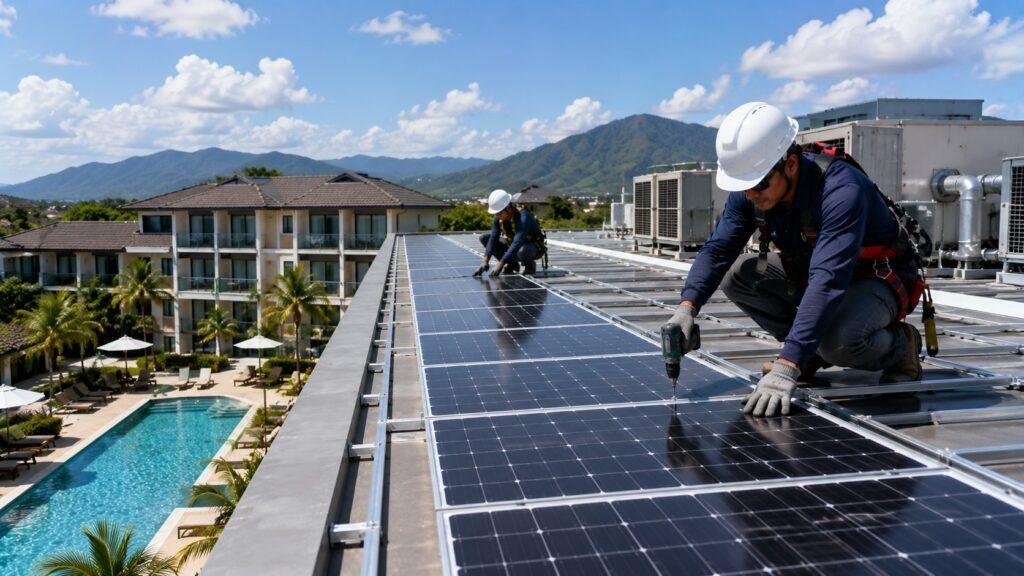
An off-grid solar system in Chiang Mai operates independently from the electricity network, which means the system needs to generate and store enough energy to meet the property’s requirements throughout the day and night. Solar panels produce electricity during daylight hours, supplying power directly to the property while also charging the battery storage system.
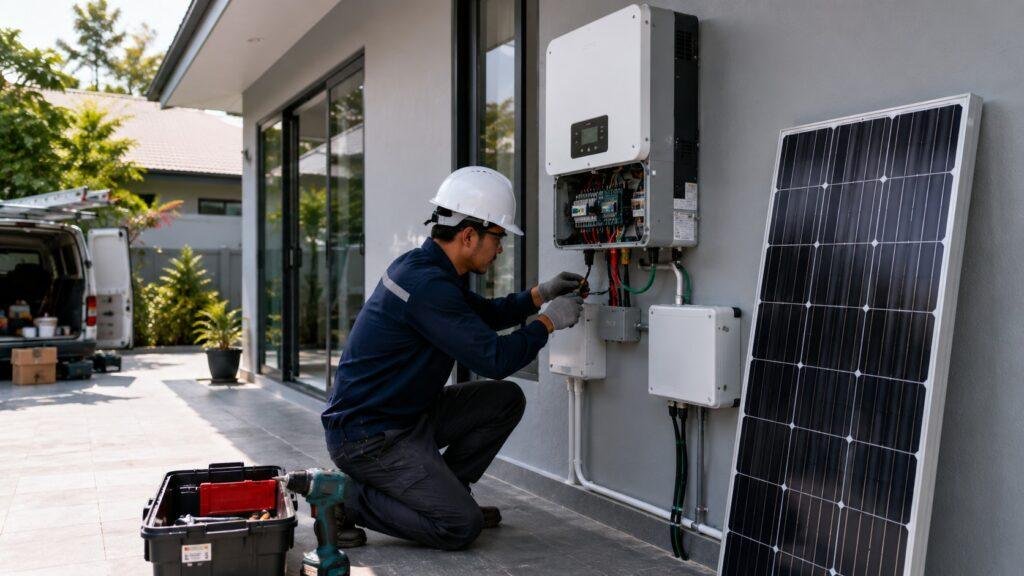
When the solar panels are no longer generating sufficient electricity, such as during the evening or overnight, the property can draw power from the energy stored in the batteries. The inverter manages the electricity flowing between the solar panels, batteries and electrical equipment within the property.
Because there is no grid connection available as a backup, accurate system design is particularly important. The number of solar panels and amount of battery storage required will depend on daily electricity consumption, the equipment being powered and how long the system may need to operate without strong solar generation.
For rural homes, farms and remote properties around Chiang Mai, a properly designed off-grid solar system can provide a practical alternative to extending an electricity connection. Understanding the property’s genuine energy requirements from the beginning helps ensure the system is capable of providing reliable independent power.
Is Off-Grid Solar a Good Choice in Chiang Mai?
Off-grid solar can be an excellent option for certain properties in Chiang Mai, particularly where connecting to the electricity network would be difficult, expensive or impractical. Rural homes, farms, agricultural buildings and remote accommodation can all potentially benefit from generating and storing their own electricity independently.
However, an off-grid system needs to be designed differently from a standard grid-connected solar installation. Because there is no electricity network available as a backup, sufficient solar generation and battery storage are essential. The system must be capable of supporting important electrical equipment during the evening, overnight and during periods when solar generation is lower than normal.
Energy efficiency can therefore become particularly important. Understanding which appliances and equipment need to operate, how much electricity they consume and when they are used can help prevent unnecessary investment in an oversized system while ensuring sufficient power remains available when required.
For properties around Chiang Mai considering independent solar power, the first step should be a detailed assessment of electricity requirements. A correctly designed off-grid solar system can provide reliable renewable energy, but accurate planning of both solar generation and battery capacity is essential to achieving dependable long-term performance.
Official Off-Grid Solar Information
If you are considering an off-grid solar system in Chiang Mai, these official Thai organisations provide useful information about renewable energy, electricity, energy efficiency and the standards relevant to solar panels, inverters and battery equipment.
Useful Solar Guides
If you are considering off-grid solar in Chiang Mai, our practical guides can help you understand battery storage, compare different types of solar systems and determine the appropriate system size for your property’s electricity requirements.
Choosing the Right Off-Grid Solar System in Chiang Mai
Choosing the right off-grid solar system in Chiang Mai requires careful planning because the property cannot simply rely on grid electricity when additional power is required. Solar panel capacity, battery storage and inverter size all need to be designed around the property’s actual electricity consumption and the equipment that needs to operate throughout the day and night.
For rural homes, farms, agricultural buildings and remote properties, this can provide an effective way to create an independent electricity supply. However, understanding daily energy consumption is essential because both insufficient solar generation and inadequate battery capacity can affect the reliability of the system.
At Right Price Solar, we can assess your electricity requirements and help determine the combination of solar panels and battery storage needed for your property. If you are considering off-grid solar in Chiang Mai, contact our team to discuss your location and energy requirements. A properly designed system can provide reliable, independent solar power for many years while reducing or removing the need to depend on a traditional grid connection.