Solar Installation Thailand – Professional Solar Panel Installation for Your Home
Choosing the right solar installation company is one of the most important decisions you’ll make when investing in renewable energy for your home. A high-quality solar system depends not only on the equipment you choose, but also on how carefully the system is designed and installed.
Across Thailand, more homeowners are turning to solar energy as they look for ways to reduce household electricity costs and make greater use of the country’s abundant sunshine. From family homes and townhouses to luxury villas and retirement properties, a professionally designed solar installation can help reduce the amount of electricity purchased from the grid.
Thailand’s climate provides excellent conditions for residential solar generation. However, achieving the best results requires careful consideration of your roof, electricity consumption, shading, system size and the equipment selected.
At Right Price Solar, we design and install bespoke residential solar systems around the individual requirements of each property. Every installation begins with an assessment of your home and electricity usage so we can recommend an appropriate solution rather than taking a one-size-fits-all approach.
Why Professional Solar Installation Matters
Solar panels are designed to operate for many years, making the quality of the original installation particularly important. Correct system design helps ensure the panels, inverter, electrical equipment and mounting system work together effectively.
While the panels on your roof are the most visible part of the installation, a complete residential solar system includes several important components. These may include mounting structures, an inverter, electrical protection equipment, cabling and monitoring technology, together with battery storage where a hybrid system has been selected.
The position and layout of the panels also matter. Roof orientation, available space and shading can all affect solar generation, which is why these factors should be assessed before the final system design is agreed.
At Right Price Solar, we focus on appropriate system design, quality equipment and professional installation to provide homeowners with a solar solution designed around their property and electricity requirements.
Our Home Solar Installation Process
A successful residential solar installation begins before the first panel reaches your roof. We use a structured process to understand your property and determine what type and size of solar system may be appropriate.
Our installation process typically includes:
- Free initial consultation
- Comprehensive site survey
- Free electrical inspection
- Roof assessment and consideration of shading
- Review of your household electricity consumption
- Bespoke residential solar system design
- Clear quotation and system specification
- Professional installation
- System testing and commissioning
- Customer handover and explanation of the system
We’ll explain the proposed system and answer your questions before installation begins, helping you understand what is being installed and how it is designed to work within your home.
Choosing the Right Solar System for Your Home
Every household uses electricity differently, which is why the appropriate solar installation should be based on your actual requirements. A home occupied throughout the day may have a very different electricity profile from one where the occupants are usually away until the evening.
Air conditioning, swimming pool pumps, water heating, kitchen appliances, home offices and electric vehicle charging can all influence household electricity consumption and the size of system that may be suitable.
For many homeowners, an on-grid solar system provides a straightforward way to reduce electricity purchased from the grid during daylight hours. Other households may prefer a hybrid solar system with compatible battery storage, allowing suitable surplus solar electricity to be stored for later use.
We’ll review your electricity consumption, available roof space and future plans before recommending an appropriate system for your home.
Choosing the Right Solar Installer
As residential solar becomes increasingly popular in Thailand, homeowners have more installation companies and equipment options to choose from. Price is naturally important, but it shouldn’t be the only consideration when comparing quotations.
A solar quotation should make it clear what equipment is being supplied, what services are included and what warranties apply. The installer should also take time to understand your household electricity usage rather than simply recommending the largest system available.
When comparing residential solar installers, consider:
- Whether a proper site survey is carried out
- Whether your electricity consumption is reviewed
- The quality and specification of the solar panels
- The inverter technology being proposed
- Manufacturer warranties
- Workmanship warranty
- Electrical inspection and system design
- Monitoring capabilities
- After-sales support
Taking time to compare the complete installation rather than simply the headline price can help you make a more informed decision about a system intended to remain on your home for many years.
What Happens on Installation Day?
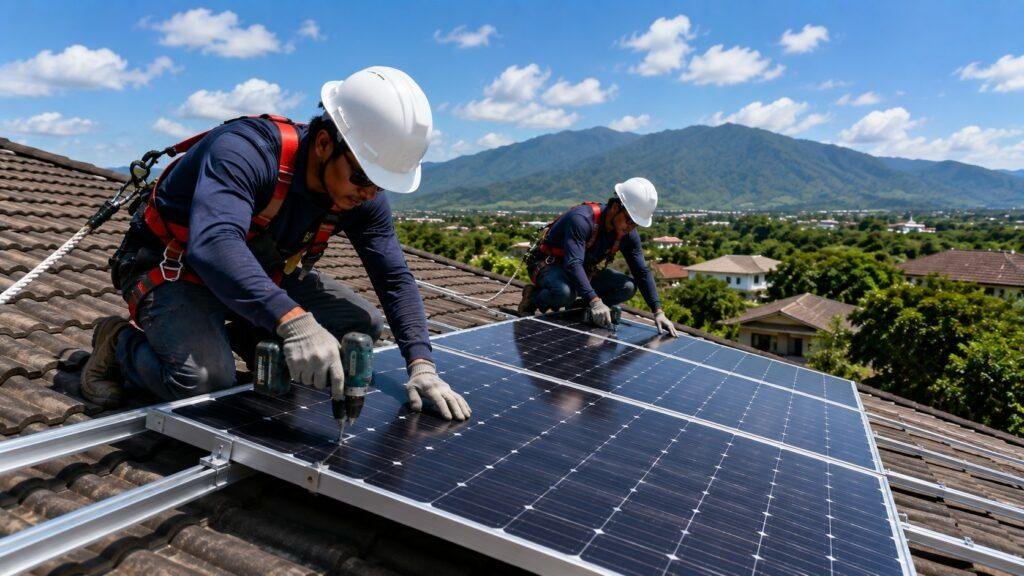
Once the final system design has been agreed, the installation team can begin fitting the equipment to your property. The exact work required will depend on your roof, electrical system and the type of solar installation selected.
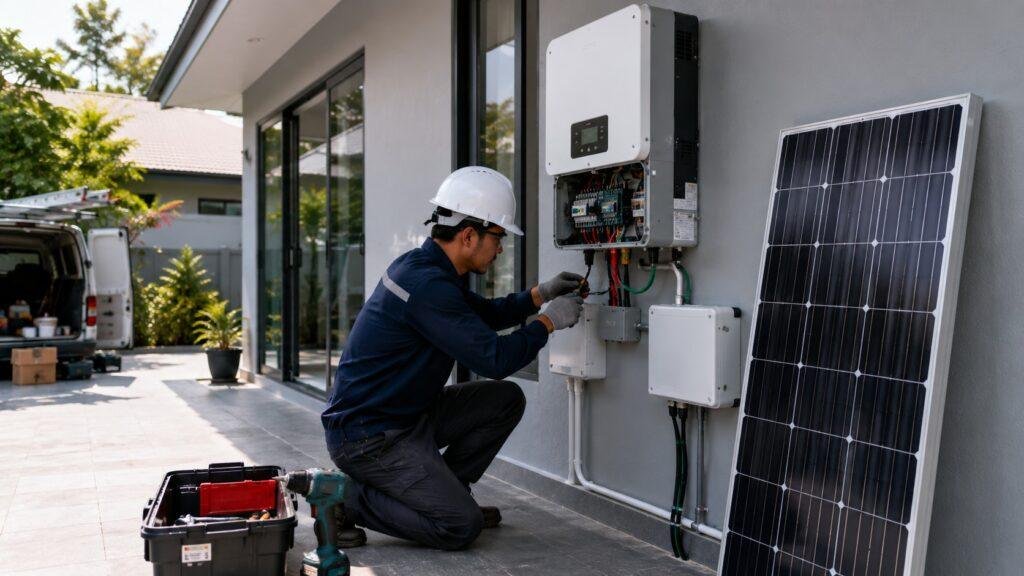
The mounting system and solar panels are installed in the agreed positions, while the inverter and associated electrical equipment are fitted in suitable locations. Cabling connects the different components so that electricity generated by the panels can be converted into usable electricity for your home.
Once installation is complete, the system is tested and commissioned. You’ll also be shown how the system operates and, where compatible monitoring is included, how you can view information about your solar generation.
The time required for installation depends on the individual property and system specification, so the expected timescale should be confirmed as part of your quotation and installation plan.
Why Choose Right Price Solar?
We believe homeowners should receive straightforward advice and a solar system designed around their actual electricity requirements. Our aim is to make the process of installing residential solar clear and manageable from the initial survey through to commissioning and after-sales support.
- Free site survey
- Free electrical inspection
- Bespoke residential solar system design
- Premium solar panels and inverters
- On-grid and hybrid system options
- Compatible battery storage options
- Experienced installation specialists
- Manufacturer warranties
- 2-year workmanship warranty
- After-sales support
From your first enquiry through to installation and ongoing support, we’ll help you understand the options available and choose a residential solar system appropriate for your home.
Learn More About Home Solar
Explore our Solar Packages, estimate your potential savings using our Solar Calculator, browse our Frequently Asked Questions or discover more information in our Useful Solar Articles.
For official information about electricity services in Thailand, visit the Provincial Electricity Authority (PEA). National energy information is also available through the Energy Policy and Planning Office (EPPO).
Frequently Asked Questions
How long does a home solar installation take?
Installation times vary depending on the size and complexity of the system, the property and the electrical work required. We’ll explain the expected installation schedule before work begins.
Can solar panels be installed on any roof?
Many residential roofs can accommodate solar panels, but roof condition, available space, orientation and shading all need to be assessed before deciding on the final system design.
Do I need a battery with my solar installation?
No. Many homeowners choose an on-grid system without battery storage. A hybrid system with compatible batteries may be suitable where you want to store surplus daytime solar electricity for later use.
What maintenance does a solar system need?
Solar systems generally have relatively low maintenance requirements. Appropriate cleaning and periodic checks can help ensure the system continues operating as intended.
How long do solar panels last?
Quality solar panels are designed for long-term operation. The panels supplied by Right Price Solar include a 25-year manufacturer warranty, with warranty details confirmed as part of your quotation.
Book Your Free Home Solar Survey
If you’re considering solar installation in Thailand, the first step is understanding what type of system is appropriate for your home. Right Price Solar will assess your property, review your electricity requirements and explain the available options.
Contact our team to arrange a free site survey and no-obligation quotation for a residential solar installation designed around your home and electricity usage.